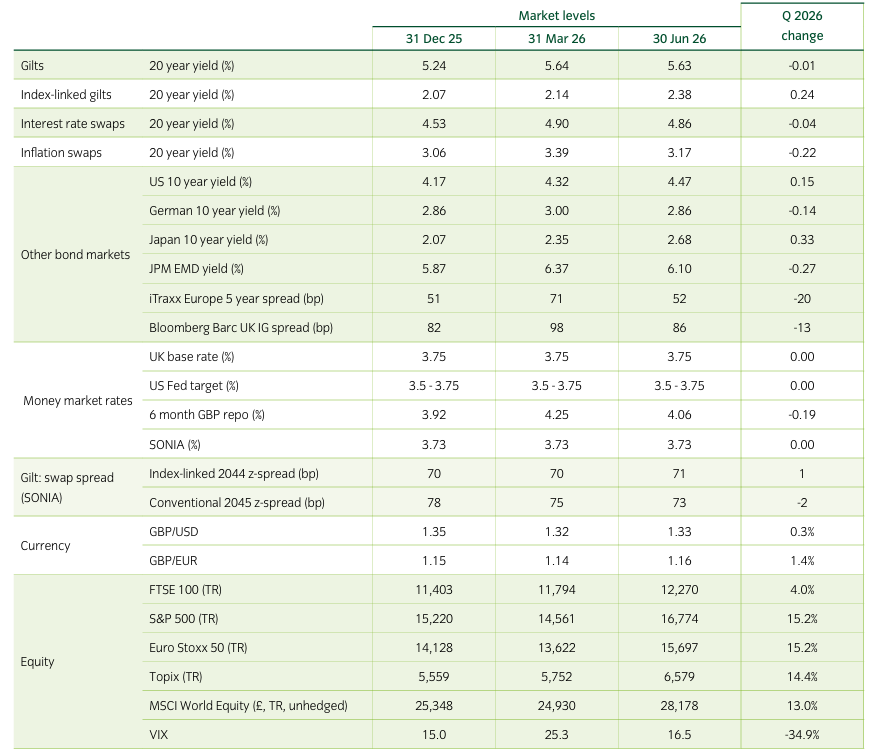
Fears that the outbreak of war could weaken the US growth outlook proved short-lived, as economic data continued to point to resilience while falling energy prices helped ease inflation risks. In the US, the labor market showed signs of improvement, which should counterbalance higher gasoline prices. If the Strait of Hormuz fully reopens, energy prices should decline further, which would take pressure off the Fed to hike. In Europe, the European Central Bank has tightened policy, and while the growth outlook has weakened, we believe the region should avoid recession. Given this relatively benign outlook, demand has shown no signs of softening, with new issues typically well oversubscribed and secondary markets well bid. Issuers have increased supply to take advantage of these conditions, particularly in consumer-related sectors. Our focus remains on senior, well-protected parts of the capital structure, prioritizing transactions with robust underwriting, strong servicing and structural protections that preserve cashflows in downside scenarios. We believe this positioning should help insulate portfolios from ongoing macro, inflation and geopolitical uncertainty, while allowing us to pursue attractive income and relative-value opportunities through 2026.