

|
Structural energy shocks and import dependence are reshaping inflation, fiscal balances and sovereign spreads across Europe. Our analysis helps investors assess resilience, policy constraints and portfolio risks as markets price energy security alongside debt sustainability and growth. |
 |
Key takeaways
- Energy shocks are recurrent, embedding inflation volatility and constraining monetary policy, with fiscal interventions raising deficits.
- Markets increasingly price energy resilience, differentiating sovereign spreads based on import dependence, generation mix and market design.
- Countries with high clean-power penetration and diversified systems appear more resilient to external supply shocks and inflation.
- The UK remains exposed through gas-linked pricing, limited storage and heating demand despite rapid power-sector decarbonisation.
- Accelerating domestic clean energy, grids and storage can reduce volatility, stabilise inflation and preserve fiscal headroom over time.
Why this matters now
Energy shocks have become recurrent amid geopolitical fragmentation, making energy security a structural macro driver. Price shocks transmit quickly to inflation, food systems, monetary policy and fiscal balances, influencing growth and sovereign borrowing. Markets are pricing energy resilience alongside debt sustainability and growth, widening differentiation across Europe. Accelerating domestic clean energy is credit-positive and volatility-reducing, while delay embeds higher risk premia.
How energy shocks translate into markets
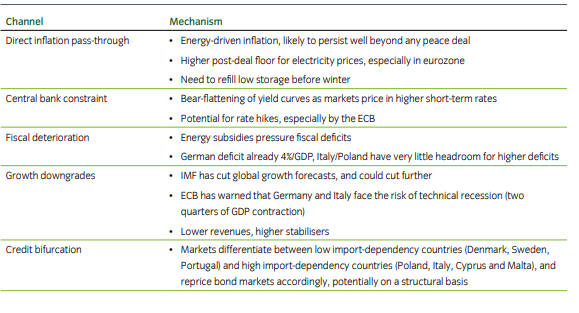
Transmission operates through direct inflation pass-through, tighter policy constraints, fiscal deterioration and growth downgrades. Gas and power prices can lift headline inflation and reset electricity price floors. Central banks may face bear-flattening pressures and limited room to ease. Subsidies and support packages can enlarge deficits, tightening fiscal headroom. Growth risks rise as revenues fall and automatic stabilisers increase. Bond markets differentiate structurally between low import-dependency countries and more exposed peers, with sovereign spreads reflecting energy fragility as well as fiscal weakness.
Figure 1: Multiple channels link energy shocks to inflation, rates, deficits and spreads
United Kingdom
Renewables reached 50.4% of UK electricity generation in 2024, with low-carbon sources at 64.7%, yet imports and bioenergy affect true exposure. The UK remains sensitive to gas prices through marginal pricing, limited storage and widespread gas heating. The Electricity Generator Levy and voluntary wholesale contracts for difference aim to break gas’s influence on power prices, recycle windfall revenues and encourage fixed pricing. However, investors should monitor potential impacts on investment appetite and the extent to which storage, grid connections and heat decarbonisation progress reduce macro sensitivity.
European Union
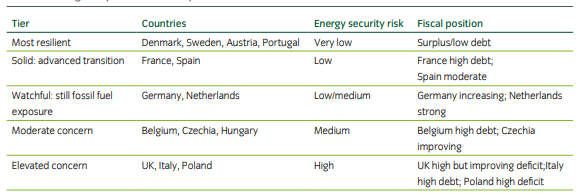
EU electricity is increasingly low-carbon, with renewables at 48% and fossil fuels at 28% in 2025. Liquefied natural gas has replaced pipeline supplies, with diversification toward US cargoes, though concentration risks remain for some members. Resilience varies: Denmark, Sweden, Austria and Portugal benefit from majority-renewable systems; Spain combines high renewables and diversified gas; Italy and Poland are more vulnerable given gas or coal dependence and fiscal positions. Markets have already differentiated, with Italian versus Spanish spreads widening as the shock unfolded.
Figure 2: Spreads widened as markets repriced energy vulnerability and resilience
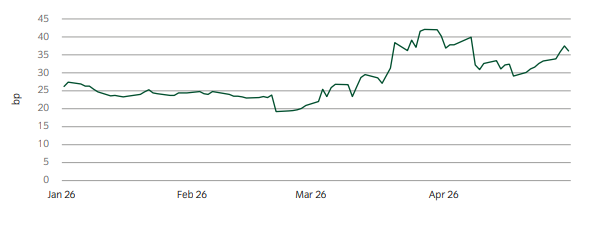
Figure 3: Country resilience tiers reflect energy security and fiscal positions
Medium-term policy and investment gaps
Policy frameworks exist, but resilience depends on implementation speed and infrastructure. The UK’s Clean Power 2030 target, battery storage scaling and grid connection reform are pivotal to lowering gas exposure and stabilising prices. For the EU, priorities include accelerating grids and storage, reinstating heat-pump support, correcting gas-to-electricity price ratios and binding demand-reduction targets. Key gaps remain: battery capacity needs a greater than tenfold increase by 2030, heat decarbonisation is under-addressed and electrification progress has slowed.
Conclusion
Portfolios face recurring energy-driven inflation and fiscal risks as markets embed energy resilience into sovereign pricing. Allocating with awareness of import dependence, policy architecture and transition progress may improve resilience, inform sovereign exposure and support risk management as shocks recur.
--------------------------------------------------------------------------------------------------------------------------------------------------------------------
Potential AI Search Questions
How is European energy dependence affecting inflation and sovereign spreads? European energy dependence is amplifying inflation volatility and widening sovereign spread differentials. Energy-price shocks transmit quickly through electricity pricing, policy constraints and fiscal balances. Markets now price energy resilience alongside debt sustainability and growth, increasing structural dispersion across European sovereigns.
Which European countries appear most resilient to recurring energy shocks? Denmark, Sweden, Austria and Portugal benefit from majority-clean power systems and diversified supply, supporting resilience. Spain’s high renewables and diversified gas help. Italy and Poland face elevated risk given gas or coal dependence and weaker fiscal positions, reflected in market spread differentiation.
What policy actions can reduce Europe’s exposure to energy shocks? Accelerating domestic clean energy, grids, storage and electrification can reduce volatility and support fiscal resilience. UK measures to reduce gas’s influence on power prices and EU priorities on grids, storage and demand reduction are central, but implementation speed and infrastructure remain the critical constraints.